
Forging Leaders for the Treaty Era: Empowering Aboriginal Communities
Building leadership in Aboriginal communities isn’t just about positions or titles—it’s about shaping the future we all want to see in the Treaty era. The First Peoples’ Assembly of Victoria is standing with you to strengthen voices and skills that matter when negotiating for real change. This is your chance to help build the capacity that will carry our cultures and rights forward—here’s how the Assembly is making it happen.
Strengthening Leadership in Aboriginal Communities

Leadership is the backbone of any community striving for positive change. In Aboriginal communities, it paves the path for empowerment and self-determination during the Treaty era. This journey towards leadership is crucial for shaping and securing our future.
The Role of the First Peoples’ Assembly of Victoria
The First Peoples’ Assembly of Victoria serves as the democratic voice and representative body for Aboriginal and Torres Strait Islander people in Victoria. This Assembly ensures that decisions affecting our communities are made by those who understand our needs best—us. The Assembly’s role is not just political; it is cultural and educational, rooted in traditional wisdom and aimed at contemporary governance. By bridging the gap between past and present, the Assembly supports communities in navigating the complexities of Treaty negotiations.
The Assembly’s commitment goes beyond negotiation. It fosters a platform where Aboriginal voices are amplified and heard. This is vital in ensuring that our communities have the freedom and power to make decisions affecting our cultures and lands. With the Assembly at the helm, we work towards a future where Aboriginal leadership is a cornerstone of decision-making processes.
Building Capacity for the Treaty Era
Building capacity in our communities is about equipping ourselves with the tools and knowledge needed to thrive in the Treaty era. This involves education, skill development, and community engagement. By focusing on these areas, the Assembly supports communities in becoming resilient and adaptive in the face of change.
Education is a key component. It lays the foundation for informed decision-making and leadership. Through educational programs, the Assembly helps community members understand the Treaty process and their role within it. Skill development is equally important. Whether it’s through leadership training or workshops, the Assembly ensures that community members are prepared to take on leadership roles in various capacities.
Community engagement is the final piece of the puzzle. By fostering dialogue and involvement, the Assembly creates a sense of ownership among community members. This collective effort strengthens our communities and ensures that we are all working towards the common goal of empowerment through Treaty.
Empowering Aboriginal Voices for Treaty

Empowering Aboriginal voices is about more than just being heard; it’s about being understood and respected in the Treaty process. This empowerment is essential for effective negotiation and long-term success.
Importance of Community Involvement
Your voice matters. Community involvement is the heart of the Treaty process. It ensures that the negotiation outcomes reflect the true needs and aspirations of Aboriginal communities. By participating in discussions and decision-making, you help shape the future for generations to come.
Engaging with the Treaty process means having a say in what happens with our lands and cultures. It means advocating for better health, education, and housing outcomes. When community members come together, they form a powerful voice that cannot be ignored. This collective strength is what drives change and ensures that our rights and cultures are protected and respected.
Participation also brings awareness. The more people involved, the more informed our communities become. This understanding leads to better decisions and stronger leadership. Your involvement not only benefits you but also strengthens the entire community. Together, we can ensure that our voices are not just heard but acted upon.
Celebrating Traditional Knowledge in Leadership
Traditional knowledge is a powerful tool in leadership. It connects us to our past and guides us into the future with wisdom and respect. Incorporating traditional knowledge into leadership practices ensures that our cultural heritage remains a living, breathing part of our communities.
Leadership rooted in traditional knowledge is unique. It values the wisdom of Elders and the insights of younger generations. This blend of perspectives creates a holistic approach to decision-making, one that respects the past while looking towards the future. By celebrating traditional knowledge, we honour our ancestors and ensure that their teachings continue to influence our communities positively.
Moreover, traditional knowledge in leadership brings a sense of identity and pride. It reminds us of who we are and what we stand for. This cultural grounding is essential in negotiations and decision-making processes. It ensures that our leaders remain true to their roots while navigating the complex landscape of modern governance.
Pathways to a Just Future
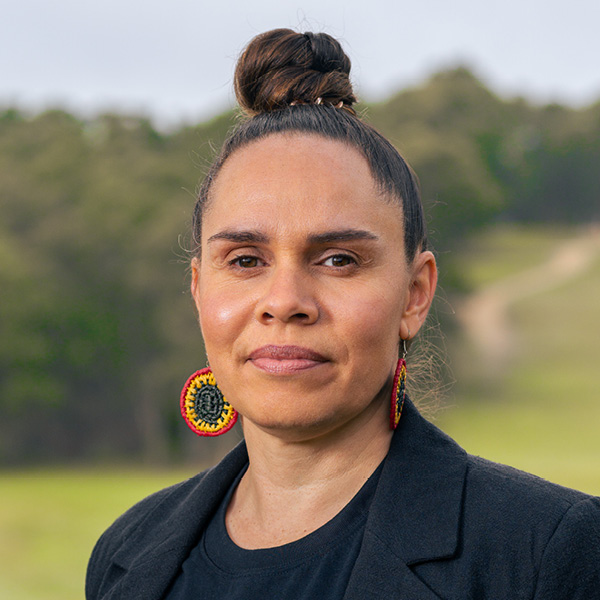
Creating a just future requires active participation and open dialogue. These pathways are vital for ensuring that the Treaty process is fair and inclusive, benefiting all Aboriginal communities.
Encouraging Participation and Dialogue
Conversation is a powerful catalyst for change. By encouraging participation and dialogue, we open doors to understanding and collaboration. This inclusivity is crucial for a successful Treaty process.
By joining discussions, you contribute to a collective understanding of the challenges and opportunities ahead. This shared knowledge leads to better solutions and stronger communities. Dialogue breaks down barriers and fosters trust among community members and leaders. It ensures that everyone has a voice and that all perspectives are considered.
Participation also means staying informed. Keeping up with the latest developments in the Treaty process ensures that you can contribute meaningfully to discussions. By being active participants, we hold ourselves and our leaders accountable. Together, we can create a future that reflects our values and aspirations.
How You Can Support Treaty Initiatives
Supporting Treaty initiatives begins with awareness and action. It involves understanding the process and finding ways to contribute to the cause. Here’s how you can make a difference:
-
Educate Yourself: Learn about the Treaty process and its impact on Aboriginal communities. Knowledge is power, and being informed is the first step in making a difference.
-
Get Involved: Attend community meetings and workshops. Your presence and input are valuable and help shape the direction of the Treaty process.
-
Spread the Word: Share information about Treaty initiatives with your community and network. The more people know, the stronger our collective voice becomes.
-
Support Leaders: Encourage and support those in leadership positions. Their work is crucial for the success of the Treaty, and your support can make a significant impact.
By taking these steps, you contribute to a brighter future for Aboriginal communities. Your support ensures that the Treaty process is inclusive and effective, leading to positive change for generations to come.
🌿✨
Leave a Reply