
Wisdom on Country: The Vital Role of Traditional Owners and Elders in Treaty Negotiations
Traditional Owners and Elders hold the key to navigating Treaty negotiations with care and respect. Their wisdom shapes every step, making sure cultural preservation stays front and centre for Aboriginal communities across Victoria. This isn’t just about talks at the table—it’s about honouring Country and keeping our stories alive. Stick with us to see how their leadership guides the First Peoples’ Assembly towards a Treaty that truly reflects our voices. Read more here.
Traditional Owners’ Influence

Traditional Owners play a crucial role in shaping negotiations. Their insights ensure the Treaty reflects the true needs and aspirations of Aboriginal communities. Let’s explore how their influence guides these important discussions.
Guiding Treaty Negotiations
Traditional Owners bring a unique perspective to the table. They are deeply connected to the land and understand the cultural significance behind every decision. This knowledge is essential in ensuring that the Treaty negotiations remain genuine and respectful. You might wonder how they do it.
-
Listening to the Community: Traditional Owners gather insights from their communities, ensuring a wide range of voices are heard. This grassroots approach means the Treaty truly represents the people.
-
Balancing Modern and Traditional Needs: While respecting ancient traditions, they also consider modern-day challenges. This balance helps create a Treaty that is relevant and meaningful for everyone involved.
-
Leading with Experience: With years of experience, Traditional Owners guide discussions with wisdom. Their leadership fosters trust and encourages open dialogue, crucial for successful negotiations.
Preserving Cultural Heritage
Cultural heritage is the heart of Aboriginal identity. Traditional Owners ensure this heritage is preserved during the Treaty process. They understand that a Treaty is not just a document—it’s a living embodiment of their culture.
-
Cultural Advisory Roles: Traditional Owners often serve as cultural advisors, highlighting the importance of maintaining traditions. This ensures every decision respects and honours their rich history.
-
Educational Programs: They support programs that teach younger generations about their heritage. This education empowers youth to take pride in their identity and continue cultural practices.
By focusing on these areas, Traditional Owners help create a Treaty that protects and celebrates their heritage, ensuring it thrives for future generations.
Elders’ Wisdom in Action
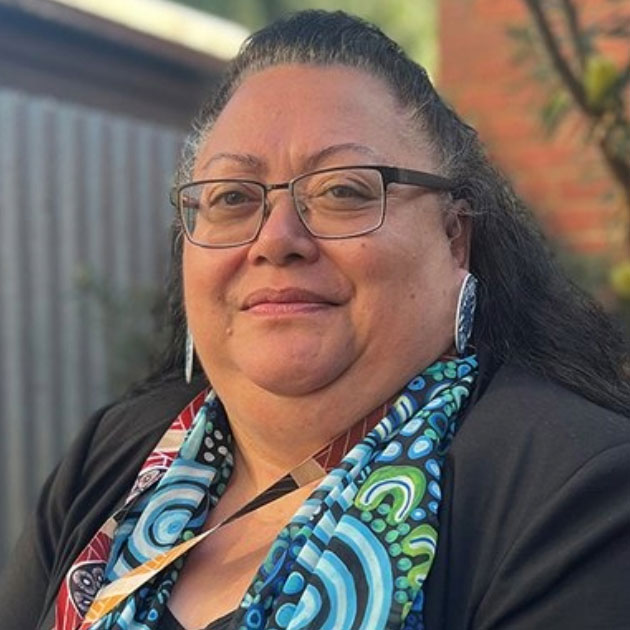
Elders bring invaluable wisdom to every stage of the Treaty process. Their guidance strengthens community bonds and ensures cultural continuity. Let’s see how their involvement impacts these areas.
Strengthening Community Bonds
Elders have a profound impact on community relationships. Their presence fosters unity and mutual respect among community members. This unity is crucial when negotiating a Treaty that benefits everyone.
-
Role as Mediators: Elders often act as mediators, resolving conflicts and building consensus. Their calm demeanor and experience in conflict resolution help maintain harmony during discussions.
-
Encouraging Participation: Elders encourage all community members to participate in the Treaty process. This inclusive approach ensures diverse perspectives are considered, leading to a more comprehensive and effective Treaty.
Their efforts strengthen community bonds, creating a supportive environment for meaningful negotiations.
Ensuring Cultural Continuity
Cultural continuity is vital for preserving identity. Elders play a key role in passing down traditions and knowledge, ensuring cultural practices continue for generations.
-
Mentorship Programs: Elders often mentor younger community members, sharing stories and teaching traditional skills. This mentorship helps keep cultural practices alive and relevant.
-
Cultural Ceremonies: They lead cultural ceremonies, reinforcing community connections to their heritage. These ceremonies are integral to maintaining cultural continuity and instilling pride in community members.
Through their wisdom, Elders ensure that cultural traditions remain a vibrant part of everyday life.
Engaging Aboriginal Communities
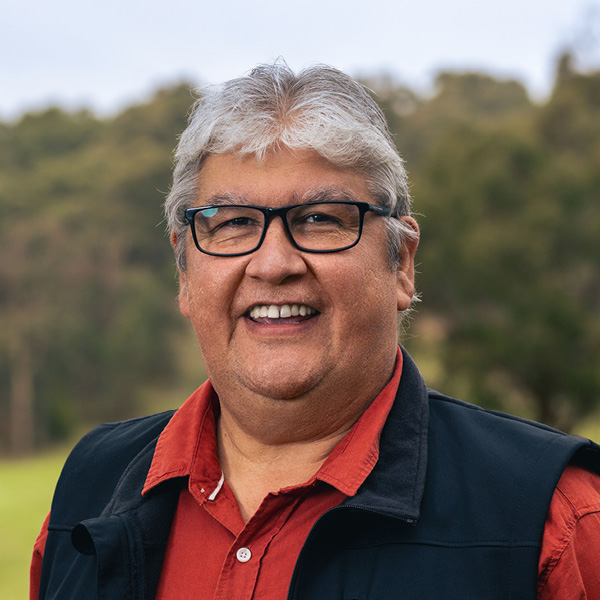
Engagement is essential for a successful Treaty. Aboriginal communities across Victoria are coming together to build solidarity and encourage active participation in the process.
Building Solidarity in Victoria
Solidarity among Aboriginal communities is crucial for a unified approach to Treaty negotiations. Through collaboration, these communities strengthen their collective voice and advocate effectively for their rights.
-
Regional Meetings: Regular regional meetings provide a platform for communities to share their experiences and ideas. These gatherings foster a sense of unity and collective purpose.
-
Collaborative Initiatives: Joint initiatives between communities build trust and strengthen relationships. These projects demonstrate the power of working together towards common goals.
By building solidarity, communities enhance their influence and ensure their voices are heard loud and clear.
Encouraging Participation and Dialogue
Active participation and open dialogue are key to a successful Treaty process. Aboriginal communities are encouraged to engage with the Treaty negotiations and share their perspectives.
-
Community Workshops: Workshops provide opportunities for community members to learn about the Treaty process and contribute their ideas. These sessions empower individuals to participate actively and make informed decisions.
-
Open Forums: Open forums encourage dialogue between community members and leaders. These discussions ensure that everyone’s voice is heard and respected, fostering a culture of inclusivity and transparency.
By encouraging participation and dialogue, communities ensure the Treaty process reflects their diverse perspectives and needs.
The journey towards a Treaty is driven by the dedication and wisdom of Traditional Owners and Elders. Their leadership ensures that cultural preservation remains at the heart of negotiations, paving the way for a future where Aboriginal voices are integral to decision-making.
Leave a Reply