• Treaty: A Path to Healing, Truth-Telling, and Justice

    Treaty: A Path to Healing, Truth-Telling, and Justice

    The Treaty process is more than just words on paper—it’s a real chance for healing, truth-telling, and justice for Aboriginal communities in Victoria. The First Peoples’ Assembly of Victoria is leading this important work to make sure your voice shapes the future. Join the conversation and learn how this path can bring real change for our people and Country. For more information, visit this link.

    Understanding the Treaty Process

    To dive into the Treaty process, it’s important to grasp the basics. This isn’t just about dialogue; it’s about shaping the future for Aboriginal communities. Let’s break it down together.

    Historical Context of Treaty

    In the past, Aboriginal voices were often sidelined. But things are changing. The Treaty marks a significant shift, recognising the rights and sovereignty of Aboriginal communities. For centuries, these communities have fought for their land and culture. Now, this process seeks to address those historical injustices, ensuring that every Aboriginal voice counts.

    Through this journey, we’re not just looking back; we’re building forward. The Treaty paves the way for new relationships, grounded in respect and understanding. Your involvement is crucial in this transformative moment for Victoria.

    Role of the First Peoples’ Assembly of Victoria

    The First Peoples’ Assembly is your voice in this process. It’s more than a committee—it’s your representative body. Elected by the community, the Assembly works to negotiate the Treaty with the Victorian Government. This ensures that the decisions made are in line with what Aboriginal communities need and want.

    The Assembly isn’t just about politics; it’s about empowerment. By engaging with the Assembly, you help shape the policies that affect your life. This isn’t just a vision—it’s a practical step towards self-determination and community-led change.

    Healing and Truth-Telling

    The Treaty is more than a legal document; it’s a tool for healing. By confronting the past, we can build a future where truth reigns and healing begins.

    Pathways to Community Healing

    Healing starts with acknowledging the pain. Communities have carried the weight of injustice for too long. Through the Treaty, there’s an opportunity to lift that burden. This isn’t just about words—it’s about action. The process involves creating spaces for dialogue and understanding.

    Imagine a community where stories are shared, not hidden. This is about creating pathways for collective healing. Programs and initiatives aim to support mental health and well-being, acknowledging that healing is a journey, not a destination. To learn more about community healing, visit Heal Our Communities.

    Importance of Truth-Telling for Justice

    You can’t have justice without truth. Truth-telling is a cornerstone of the Treaty process. It involves uncovering stories that have long been silenced. This isn’t just about history; it’s about justice.

    When communities share their truths, it paves the way for understanding and reconciliation. This process challenges misconceptions, opening the door for genuine dialogue. By engaging in truth-telling, you’re not just a witness—you’re a participant in justice. The Truth Telling Project offers insights into their approach to truth-telling on their website.

    Justice and Future Aspirations

    Justice is more than a concept—it’s the foundation for a better future. The Treaty offers a roadmap for achieving justice and fulfilling the aspirations of Aboriginal communities.

    Building Justice for Aboriginal Communities

    Justice begins with empowerment. The Treaty aims to give Aboriginal communities control over their future. This includes decisions about health, education, and housing. By ensuring that policies reflect community needs, justice becomes a lived reality.

    Imagine a community where decisions are made with your input. The Treaty ensures that your voice is heard in government decisions, creating a more just society for all. To learn more about global processes of justice, visit this resource.

    Future Hopes for Treaty in Victoria

    Looking ahead, the Treaty is a beacon of hope. It represents a future where Aboriginal communities are empowered and respected. The aspirations for the Treaty include sustainable development, cultural preservation, and equal opportunities.

    The longer we wait, the more opportunities slip away. Your involvement today shapes tomorrow’s landscape. This is a chance to build a future where all voices are valued, and justice is served. Discover more about how truth-telling can lead to a more just future at Foundation for Louisiana.

    🌿

    By understanding the Treaty process, you become part of a narrative that honours the past and embraces the future. Your voice matters—join the conversation today.
  • Preserving Aboriginal Languages and Culture: The Role of Treaty

    Preserving Aboriginal Languages and Culture: The Role of Treaty

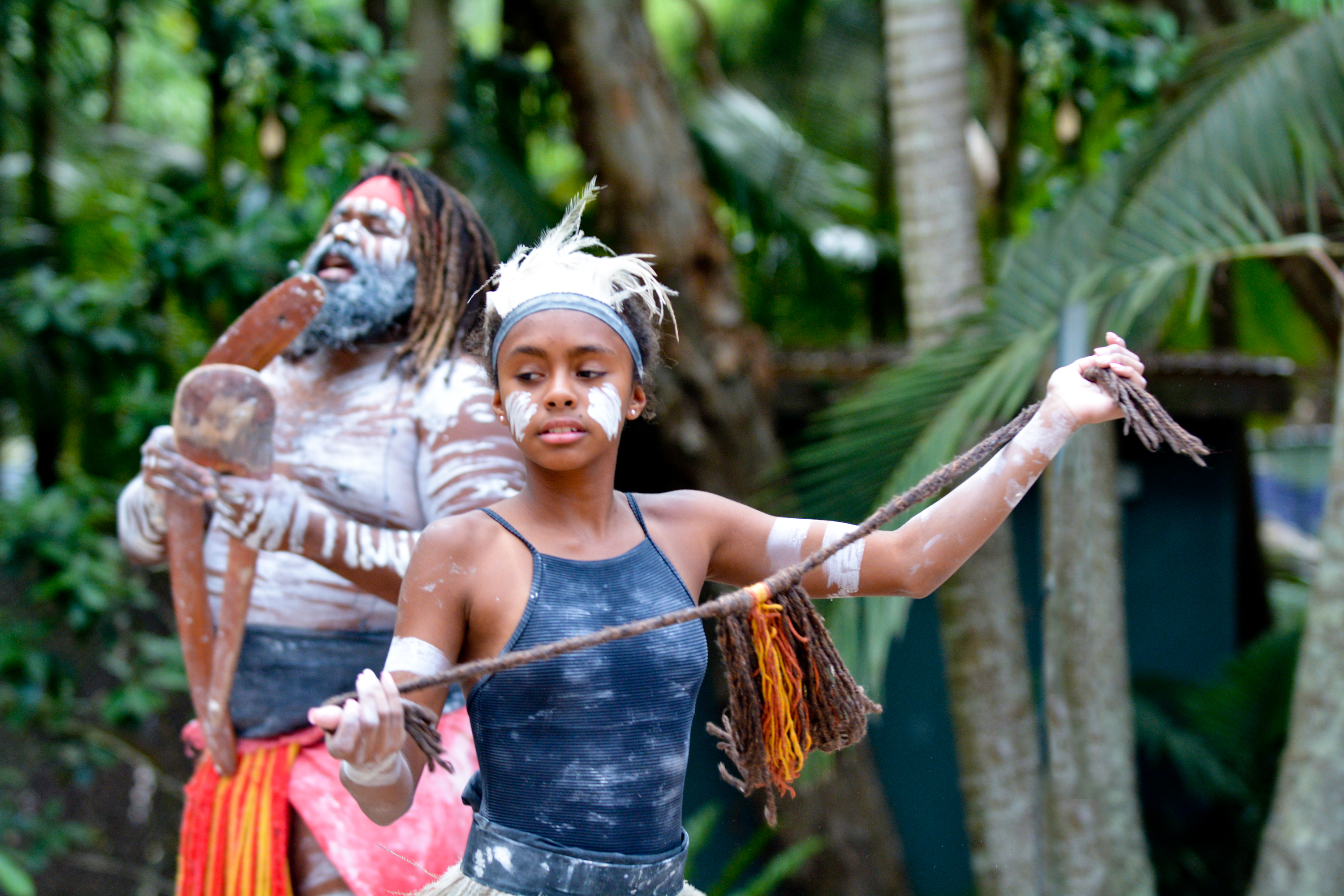
    Treaty talks in Victoria are more than words — they’re about protecting our Aboriginal languages and culture from slipping away. For too long, these vital parts of our identity have faced threats, but the Treaty process offers a real chance to support cultural preservation and community empowerment. Here’s how the First Peoples’ Assembly and Traditional Owners are working together to make sure our stories and languages stay strong for generations to come. Learn more about why it’s important to protect and revitalise Indigenous languages.

    Understanding the Treaty Process

    The Treaty process is a bridge connecting the past with the future, ensuring our stories and languages endure. At its heart, it’s about honouring Aboriginal voices and empowering communities to safeguard their culture.

    Importance of the Treaty

    The Treaty is a promise. It’s about more than legal agreements; it’s a commitment to acknowledge and respect Aboriginal heritage. By negotiating a Treaty, Aboriginal communities gain a platform to influence decisions impacting their lives. This is crucial for maintaining cultural identity and ensuring that Aboriginal people have a say in what affects their communities. With the Treaty, you have the power to shape policies that reflect your values and needs.

    Most people think treaties are just formalities, but they’re the key to real change. Consider this: when communities have control, they thrive. The Treaty offers a way for Aboriginal voices to be heard, fostering a future where cultural preservation is at the forefront.

    Treaty and Cultural Preservation

    Cultural preservation is vital. The Treaty process serves as a safeguard for Aboriginal languages and traditions. It’s about making sure that what defines our communities doesn’t fade away. Through the Treaty, there’s a structured approach to protect and promote languages, ensuring they’re passed down to future generations.

    Imagine a world where your language and stories are celebrated, not forgotten. This is what the Treaty promises—a future where cultural heritage is cherished. By supporting language programs and cultural initiatives, the Treaty empowers communities to keep their traditions alive. Discover more about global efforts to protect Indigenous languages.

    Role of the First Peoples’ Assembly

    The First Peoples’ Assembly plays a crucial role in the Treaty process, acting as the voice for Aboriginal communities. It’s about representation and ensuring that your rights and interests are front and centre.

    Advocating for Cultural Rights

    The Assembly is your advocate, championing cultural rights and ensuring they’re respected. By engaging in dialogue with the government, the Assembly makes sure your cultural practices and languages are protected. It’s about more than just talking; it’s about taking action to safeguard what matters most to you.

    When cultural rights are recognised, communities can thrive. The Assembly’s efforts ensure that your cultural heritage isn’t just preserved but celebrated. This advocacy is essential for creating a future where Aboriginal culture is a source of pride and strength. Learn about the global recognition of Indigenous rights.

    Empowering Traditional Owners

    Traditional Owners hold the knowledge and wisdom of the land. Empowering them is vital for effective governance and cultural preservation. The Assembly ensures that Traditional Owners have a say in the decisions that impact their communities.

    Think about the power of having your voice heard in matters that affect you. This empowerment allows Traditional Owners to lead initiatives that benefit their people, creating a direct link between cultural knowledge and modern governance. It’s about blending tradition with progress, ensuring that Aboriginal culture remains vibrant and influential.

    Community Engagement and Empowerment

    Community engagement is at the heart of the Treaty process. It’s about building connections and ensuring that everyone has a role in shaping the future.

    Building Solidarity in Victoria

    Solidarity is strength. By coming together, communities can amplify their voices and drive change. The Treaty process fosters this unity, bringing people together to support cultural preservation and empowerment. It’s about creating a collective force that can influence policies and decisions.

    When communities unite, they can achieve remarkable things. The Treaty process is an opportunity to build bridges and forge partnerships that benefit everyone. By working together, Aboriginal communities can ensure that their cultural heritage is protected and celebrated.

    Encouraging Participation and Dialogue

    Participation is key to a successful Treaty process. By getting involved, you have the chance to influence the direction of cultural preservation efforts. The Assembly encourages dialogue, creating spaces where your ideas and opinions are valued.

    The longer you wait, the more challenging it becomes to make a difference. Now is the time to engage, share your thoughts, and be part of the conversation. By participating, you contribute to a future where Aboriginal languages and culture are preserved for generations to come. Explore how other Indigenous communities engage in cultural discussions.

    🌿🎨🖤

  • Understanding Treaty: Empowering Communities and Shaping Our Future Together

    Understanding Treaty: Empowering Communities and Shaping Our Future Together

    Introduction: Treaty Victoria isn’t just a word—it’s about real power for your mob to make decisions that matter. For too long, Aboriginal voices have been sidelined, but the Treaty process is changing that, giving communities like yours a seat at the table. This guide will walk you through how Treaty supports community empowerment and self-determination, and why your voice is key in shaping our future together. Learn more about self-determination.

    The Meaning of Treaty Victoria

    Treaty Victoria is more than words on paper; it’s a powerful tool for change. It signifies a shift towards real community empowerment and engagement, setting the stage for self-determination.

    Community Empowerment and Engagement

    Treaty Victoria empowers your community to take charge. Imagine decisions about health, education, and housing made by those who know your needs best—your own community leaders. This isn’t just a theory; it’s happening. Aboriginal communities are now at the forefront of decision-making. With the Treaty, bureaucrats need to listen to you. They must consult and include Aboriginal perspectives when planning and implementing policies. This means your voice will drive the change you want to see.

    Consider the First Peoples’ Assembly, which represents your interests. It’s a platform where your needs are voiced, and your rights are protected. This representation ensures decisions aren’t made for you, but with you. As part of this process, the Self-Determination Fund plays a crucial role. It backs projects that support autonomy and community growth. Remember, the power lies in your hands, and the Treaty is your tool to wield it.

    Self-Determination and Representation

    Self-determination is your right to shape your destiny. With the Treaty, this right is becoming a reality. Your community’s unique needs and aspirations are front and centre. The First Peoples’ Assembly is a key player here. It’s the democratic voice that ensures your representation in negotiations with the government. This Assembly is not just a body; it’s your advocate, pushing for policies that reflect your community’s values and goals.

    Representation is critical. It means that the people making decisions understand your culture, history, and challenges. They are part of your community, ensuring that legislative changes benefit you directly. This approach fosters trust and accountability, vital components for genuine self-determination. As you engage with this process, remember that your involvement strengthens your community’s position. Your voice matters; use it to drive progress and secure a brighter future.

    Cultural Preservation and Heritage

    Cultural preservation is at the heart of the Treaty. It’s about honouring traditions while paving the way for future generations. This section will explore how the Treaty celebrates Aboriginal traditions and fosters authentic collaboration with the Victorian Government.

    Celebrating Aboriginal Traditions

    Aboriginal traditions are rich and diverse, representing thousands of years of history. The Treaty acknowledges this heritage, ensuring it’s celebrated and preserved. From language revival to cultural ceremonies, these traditions are the cornerstone of community identity. With the Treaty, there’s a renewed focus on protecting these cultural pillars. Events and programs are being established to educate and engage both young and old.

    This celebration isn’t just for show. It’s about embedding these traditions into everyday life, so they’re not forgotten but lived. Through various initiatives, such as the Victorian Aboriginal Honour Roll, the contributions of First Peoples are recognised and appreciated. By celebrating these achievements, the Treaty helps to instil pride and ownership in your cultural heritage. This is a chance for your community to shine, passing knowledge and customs to the next generation.

    Authentic Collaboration with the Victorian Government

    Collaboration with the Victorian Government is crucial for the Treaty’s success. This partnership is built on mutual respect and understanding, aiming to deliver concrete results. The government acknowledges that Aboriginal communities possess valuable insights and expertise. This collaboration ensures that policies are not only inclusive but also effective. It’s about working together to create solutions that reflect Aboriginal values and priorities.

    This partnership is already bearing fruit. The Victorian Government is committed to engaging with Aboriginal leaders, ensuring their voices are heard in the corridors of power. This authentic collaboration opens doors for discussions that lead to meaningful change. By being part of this process, you’re helping to build a future where Aboriginal perspectives are integral to governance. This is not just government business as usual; it’s a shared journey towards a more inclusive and equitable society.

    Shaping Our Future Together

    The future is in our hands. The Treaty is a pathway to a brighter tomorrow, but it requires collective effort. This section will delve into the role of the First Peoples’ Assembly and how you can join the conversation to drive change.

    The Role of the First Peoples’ Assembly

    The First Peoples’ Assembly is your voice in the Treaty process. It plays a vital role in shaping policies that affect Aboriginal communities. As a democratically elected body, it ensures that your needs and aspirations are represented at the highest levels. The Assembly is not just a symbolic gesture; it’s a powerful tool for advocacy and accountability.

    Through the Assembly, you have a say in the laws and policies that impact your life. It provides a platform for dialogue, where issues can be discussed, and solutions crafted. This is about more than negotiations; it’s about building relationships and fostering trust. The Assembly’s work is ongoing, and your participation is crucial. By supporting its efforts, you’re contributing to a future where your community’s voice is not just heard but valued.

    Joining the Conversation and Driving Change 🚀

    Now is the time to get involved. The Treaty process is not a spectator sport; it needs your input and energy. Joining the conversation is the first step towards driving change. Whether through local meetings, online forums, or community events, your voice is vital.

    Engagement starts with awareness. Educate yourself on the issues and share your insights with others. This process thrives on diverse perspectives, and your contribution can make a difference. Remember, the longer you wait, the more opportunities pass by. By being proactive, you’re not only shaping your future but also empowering others to do the same.

    Together, we can build a future where Aboriginal communities thrive, and cultural heritage is celebrated. The journey might be challenging, but the rewards are immense. Let’s continue this work, ensuring that Treaty Victoria becomes a beacon of hope and empowerment for generations to come.

  • Preserving Culture and Country: The Power of Treaty Initiatives

    Preserving Culture and Country: The Power of Treaty Initiatives

    Treaty initiatives hold the key to protecting our culture and Country in ways words alone can’t capture. For Aboriginal and Torres Strait Islander communities, these talks aren’t just about laws—they’re about keeping our stories, languages, and connection to Country alive. The First Peoples’ Assembly is working hard with the Victorian Government to make sure your voice shapes this future. Let’s explore how Treaty initiatives can strengthen cultural preservation and Aboriginal empowerment together.

    Understanding Treaty Initiatives

    Treaty initiatives offer a path to preserve cultural heritage and ensure Aboriginal voices are heard. This path involves several components, each playing a crucial role in shaping a brighter future.

    What is a Treaty?

    A Treaty is a formal agreement between Indigenous communities and the government. It’s more than an agreement—it’s a framework for self-determination and cultural recognition. Through a Treaty, Aboriginal and Torres Strait Islander peoples can negotiate terms that respect their rights and acknowledge their histories. This process helps communities make decisions affecting their lives and lands. Rather than relying on external authorities, a Treaty empowers communities to lead, ensuring that decisions reflect their unique needs and aspirations.

    Importance of Cultural Preservation

    Cultural preservation is about keeping traditions alive. It involves protecting languages, stories, and practices that define identity. For many, these elements are sacred, connecting the past with the present and future. Without preservation, there’s a risk of losing invaluable knowledge passed down through generations. By engaging in Treaty processes, communities can safeguard their heritage, ensuring it thrives for generations to come. This effort is vital not just for Aboriginal communities, but for all Australians who benefit from a rich, diverse cultural landscape.

    Role of the First Peoples’ Assembly

    The First Peoples’ Assembly plays a pivotal role in the Treaty process. As the representative body, it ensures Aboriginal voices are front and centre. The Assembly works to negotiate terms that reflect the community’s wishes, advocating for policies that promote cultural preservation and empowerment. By engaging with the Victorian Government, the Assembly helps bridge the gap between traditional knowledge and modern governance. Its work is crucial in creating a Treaty that honours past sacrifices while paving the way for a hopeful future.

    Aboriginal Empowerment Through Treaty

    Empowerment through Treaty is not just a concept; it’s a practice that brings real change to communities. It focuses on tangible benefits like protecting Country and amplifying Traditional Owners’ voices.

    Protecting Our Country

    Protecting Country is about more than conservation. It’s about respecting land as a living entity that holds cultural significance. Aboriginal peoples have stewarded these lands for thousands of years, using knowledge passed down through generations. A Treaty empowers communities to continue this stewardship, ensuring that environmental policies respect cultural practices. This protection is crucial for maintaining biodiversity and cultural sites, offering a sustainable future for all. Learn more about Indigenous heritage and its importance.

    Traditional Owners’ Voices

    Traditional Owners are the custodians of their lands. They hold stories and knowledge that are essential for understanding and respecting Country. Through Treaty processes, their voices are amplified, allowing them to guide decisions that impact their communities. This represents a shift from external control to community-led governance, ensuring decisions reflect local needs and aspirations. By listening to Traditional Owners, we can create policies that honour past practices and support future growth.

    Legislative Influence with the Victorian Government

    Legislation plays a critical role in shaping the future. Through Treaties, Aboriginal communities gain a voice in legislative processes, ensuring their needs are prioritised. The First Peoples’ Assembly works closely with the Victorian Government to influence policies that affect Aboriginal lives. This collaboration is essential for creating laws that recognise cultural significance and promote equitable outcomes. With a Treaty, communities can hold the government accountable, ensuring promises translate into real benefits.

    Getting Involved in the Treaty Process

    Active participation in the Treaty process ensures that all voices are heard. It’s about building a future together, where everyone has a role to play.

    Participating in Community Events

    Community events are a great way to engage with the Treaty process. These events offer opportunities to learn, share experiences, and connect with others committed to cultural preservation. By attending, you can gain insight into the current initiatives and contribute to ongoing discussions. Participating in these gatherings strengthens community bonds and fosters collaboration. It’s about coming together to support a common cause, ensuring that everyone’s voice is valued.

    Sharing Your Thoughts and Feedback

    Your opinion matters. Sharing your thoughts and feedback is crucial for shaping a Treaty that reflects community needs. Whether through surveys, forums, or direct conversations, your input helps guide decisions that impact the future. Engaging in dialogue with the First Peoples’ Assembly ensures that your voice contributes to meaningful change. It’s about being an active participant in the process, helping to create a Treaty that benefits all involved.

    Building a Hopeful Future Together

    Together, we can build a future that honours past traditions while embracing new opportunities. The Treaty process offers a chance to address historical injustices and create pathways for empowerment. By working together, we can ensure that cultural heritage is preserved and that Aboriginal communities have the freedom to shape their own destinies. It’s a journey of healing and hope, one that requires collaboration, commitment, and a shared vision for a better tomorrow.

    💬🌏

    With these initiatives, we have the opportunity to create a legacy that respects and honours Aboriginal and Torres Strait Islander peoples. Let’s walk this path together, ensuring that our culture and Country are preserved for future generations.

  • How Treaty Accountability Mechanisms Can Transform Government Relations

    How Treaty Accountability Mechanisms Can Transform Government Relations

    The old ways of government talking to our communities often left too many promises broken and voices unheard. Treaty accountability changes that by putting clear checks on the government to stand by their word. In this post, you’ll see how these new mechanisms can strengthen Aboriginal governance and build trust through real government accountability in the Victoria Treaty process. Join the conversation and share your thoughts on how accountability through Treaty can empower our communities. Read more about establishing effective accountability mechanisms here.

    Understanding Treaty Accountability

    Treaty accountability is crucial for ensuring governments stick to their promises, especially when working with Aboriginal communities. Let’s explore what this means and how it can be a game-changer.

    Defining Treaty Accountability

    Treaty accountability is about the government being held responsible for commitments made through the Treaty. It’s not just about words but about action. When the government promises something, they need to follow through. This process involves clear checks to ensure promises aren’t just empty words. For instance, independent bodies may oversee progress, making sure each step is tracked and reported. These mechanisms bring a new level of trust, ensuring that what is agreed upon is actually delivered. Learn more about the future of accountability mechanisms here.

    Government Accountability Measures

    Government accountability measures are the tools used to make sure the Treaty’s promises are kept. These might include regular reports, audits, or independent reviews. Imagine having a watchdog that checks if promises are being fulfilled. This makes governments more likely to act responsibly. For example, if a promise is made for better education facilities, these measures ensure the facilities are built and used properly. They turn words into actions, providing communities with tangible benefits. Dive deeper into accountability measures here.

    Impact on Aboriginal Governance

    The impact of these measures on Aboriginal governance is significant. They allow for greater control and transparency, giving Aboriginal communities a stronger voice. When governments are held accountable, community decisions are respected and implemented. This empowers leaders to represent their people effectively, knowing there are mechanisms to enforce government promises. The result is a more balanced partnership, where Aboriginal governance is not just symbolic but impactful, leading to genuine improvements in community life.

    Empowerment Through Accountability

    Accountability doesn’t just keep governments honest; it empowers communities. Let’s see how these mechanisms benefit Indigenous empowerment and strengthen government ties.

    Indigenous Empowerment Benefits

    Accountability mechanisms open doors to empowerment. They ensure that Indigenous voices are not just heard but acted upon. With these systems in place, communities can confidently push for their needs, knowing there’s a structure to back them up. For instance, if a community needs better healthcare, accountability measures can ensure that the government provides it. This empowerment isn’t just about getting what’s needed today but securing a better future for generations. When communities feel empowered, they thrive, leading to improved well-being across all areas.

    Strengthening Government Relations

    Strong government relations are built on trust and accountability. When governments deliver on their promises, it fosters goodwill and cooperation. This creates a healthier dynamic where both parties work towards common goals. Strengthened relations mean more effective communication and collaboration, leading to better outcomes for everyone involved. It’s not just about holding governments to account but building partnerships that last. The longer we wait to establish these systems, the more opportunities we miss for meaningful progress.

    Encouraging Community Engagement

    Community engagement is key in the Treaty process. Here’s how you can get involved and make your voice heard.

    Participating in the Victoria Treaty Process

    Getting involved in the Victoria Treaty process is easier than you think. Participation can take many forms, from attending meetings to sharing your thoughts online. Your input is vital in shaping decisions that affect your community. By staying informed and engaged, you help ensure that the Treaty reflects your needs and aspirations. Remember, this process is as much about listening to you as it is about making agreements. So, don’t hold back—your voice matters.

    Sharing Your Voice and Experiences

    Sharing your experiences and voice is powerful. It helps shape the Treaty and ensures it addresses real community issues. Whether it’s through public forums or community discussions, your stories and insights drive change. Most people think their voice doesn’t make a difference, but in reality, it’s these personal stories that resonate and push for action. By contributing, you’re not just a part of the conversation—you’re shaping the future. Let’s come together to ensure our communities are heard and respected at every step. Explore more on engaging with accountability here.

    🌟

    By understanding and participating in treaty accountability, we build a stronger future for Aboriginal governance and community empowerment. Let’s continue to push for accountability and make our voices count.

  • Why Community-Led Decision-Making is Vital in Treaty Negotiations

    Why Community-Led Decision-Making is Vital in Treaty Negotiations

    Too often, Treaty negotiations happen without the people who matter most—the Aboriginal and Torres Strait Islander communities—leading the way. When decisions are made for you, not by you, cultural integrity and self-determination suffer. Community-led decision-making is the key to changing this, putting Traditional Owners and their voices front and centre in the Victorian Treaty process. Let’s explore why your involvement isn’t just important—it’s vital. For more insights on community-led negotiations, check out this resource: [https://frontline-negotiations.org/wp-content/uploads/2025/10/CCHN-Community-led-negotiations-202560.pdf].

    The Power of Community-Led Decision-Making

    When it comes to shaping the future, nothing is more significant than having a voice in the decisions that affect your life. Community-led decision-making ensures that Aboriginal and Torres Strait Islander communities drive the Treaty process, rather than being sidelined by external forces.

    Amplifying Aboriginal Voices

    Your voice matters. By leading the decision-making process, Aboriginal communities can share their unique perspectives and needs. This isn’t just about being heard; it’s about having the power to influence outcomes. With the First Peoples’ Assembly Victoria, Aboriginal voices are not only amplified but are central to shaping policies and negotiations. This approach respects the wisdom inherent in community knowledge and ensures that decisions reflect local realities. When traditional wisdom meets contemporary governance, the results are groundbreaking. You’re not just participants; you’re leaders in this journey.

    Ensuring Cultural Integrity

    Cultural integrity is the heart of a community. Protecting and respecting cultural practices and values is essential to the Treaty process. When Aboriginal communities lead, they ensure that their cultural heritage is not only preserved but celebrated. This isn’t just about tradition—it’s about empowering future generations to take pride in their identity. By embedding cultural integrity in every decision, you help create frameworks that honour your heritage. This is your culture, your rules, your future.

    Navigating Treaty Negotiations

    The road to a successful Treaty is paved with understanding, respect, and collaboration. Navigating these negotiations requires recognising the critical role of Aboriginal and Torres Strait Islander communities.

    Role of the First Peoples’ Assembly Victoria

    The First Peoples’ Assembly Victoria stands as a beacon of representation. It embodies the democratic voice of Aboriginal and Torres Strait Islander communities, ensuring that every negotiation reflects the genuine aspirations of the people. This is more than a body; it’s a movement towards self-determination, where your needs and hopes steer the conversation. By advocating for culturally sensitive policies, the Assembly helps shape a future where Aboriginal voices guide legislative change. For more on enhancing community leadership in negotiations, visit this guide.

    The Importance of Self-Determination

    Self-determination is a fundamental right. It gives communities the power to make decisions that impact their lives and futures directly. When you lead the negotiation process, you assert control over your destiny. This empowerment fosters a sense of ownership and responsibility, crucial for meaningful change. By prioritising self-determination, the Treaty process acknowledges the sovereignty of Aboriginal communities. It’s not about what’s given to you; it’s about what you claim for yourself.

    Benefits of Aboriginal Empowerment

    Empowerment is the key to unlocking potential. When Aboriginal communities take the reins, the benefits are far-reaching and profound.

    Strengthening Traditional Owners’ Authority

    Strength lies in authority. By empowering Traditional Owners, the Treaty process reinforces their leadership in managing lands and cultural sites. This authority ensures that decisions are made with deep respect for cultural practices and traditional laws. When Traditional Owners lead, they protect and nurture the land for future generations. This isn’t just governance; it’s stewardship. For more on community engagement strategies, explore this resource.

    Building Hope for Future Generations

    Hope is a powerful motivator. By embedding empowerment in the Treaty process, you’re not just creating change for today; you’re building a legacy for tomorrow. Future generations will inherit a world where their voices are respected, and their cultures celebrated. This is about paving the way for a brighter future, where Aboriginal and Torres Strait Islander communities thrive. The longer you wait to engage, the more opportunities slip away. Embrace the chance to shape the future today, and let your actions be the legacy you leave behind.

  • The Power of Democratic Representation in Achieving Treaty Success

    The Power of Democratic Representation in Achieving Treaty Success

    Too often, Aboriginal voices get lost in big decisions about our future. But democratic representation through the First Peoples’ Assembly is changing that for Victoria’s Aboriginal communities. This is where your voice shapes the Treaty process—making sure our culture, stories, and rights are front and centre. Let’s explore why standing up and speaking out together is the key to real self-determination and Treaty success. Read more about democratic representation here.

    Importance of Democratic Representation

    Democratic representation is the heartbeat of the Treaty process. Without it, Aboriginal voices might continue to be sidelined. Let’s dive into how this representation ensures our culture and rights are protected.

    Central Role in Treaty Process

    The Treaty process hinges on your voice. The First Peoples’ Assembly stands as the bridge between Aboriginal communities and the Victorian Government. It’s not just about having a seat at the table—it’s about making sure that seat has power. Eighty percent of Aboriginal representatives feel more empowered when decisions are made with them, not for them.

    The Assembly acts as a shield, ensuring policies are crafted with cultural wisdom. It’s a space where traditional knowledge meets modern governance. When laws are made, they speak with your voice, ensuring they’re shaped by the people they impact most. This keeps the Treaty process grounded in community needs and aspirations.

    Want to understand the broader impact of democracy in governance? Check out this insightful article.

    Empowering Aboriginal Voices

    Your voice matters. The First Peoples’ Assembly amplifies it across Victoria. When you participate, you’re not just speaking up; you’re shaping the future. This isn’t just about policy—it’s about power. Real power that leads to meaningful change.

    Imagine a world where every decision reflects your community’s hopes. That’s the goal. The Assembly is more than a platform; it’s a movement. It’s about ensuring you’re heard in every decision that affects you. Together, we’re crafting a narrative that celebrates our past and champions our future.

    First Peoples’ Assembly of Victoria

    The First Peoples’ Assembly of Victoria is more than a name. It’s a promise—a commitment to cultural empowerment and self-determination.

    Ensuring Cultural Empowerment

    Cultural empowerment is at the core of everything the Assembly does. By weaving traditional knowledge into governance, we ensure our culture remains vibrant and respected. This isn’t just about preserving history; it’s about celebrating it every day.

    The Assembly collaborates with Elders and community leaders, drawing on wisdom passed down through generations. This ensures decisions aren’t just informed by policy but are enriched by culture. Learn more about the importance of cultural empowerment in this detailed study.

    Our cultural heritage is a source of strength. By integrating it into the Treaty process, we’re building a future that’s not just inclusive but also deeply rooted in who we are.

    Promoting Self-Determination

    Self-determination is the ultimate goal. It’s about having the freedom to shape our destiny. The First Peoples’ Assembly empowers communities to make decisions that reflect their unique needs and aspirations.

    This isn’t just theory—it’s practice. By ensuring Aboriginal voices lead the way, we’re crafting policies that truly serve our people. This is about moving from consultation to collaboration, where your input shapes every outcome.

    The longer you wait to engage, the more you miss out on shaping these critical decisions. Let’s ensure your voice leads the way.

    Community Engagement and Participation

    Our strength lies in our community. Engaging with the Treaty process means ensuring every Aboriginal voice is heard.

    Encouraging Aboriginal Communities

    Community engagement is where change begins. The Assembly fosters an environment where every voice matters. It’s about creating pathways for participation, ensuring everyone has a stake in the Treaty process.

    By attending local meetings or joining discussions, you’re contributing to a movement that shapes our future. Participation isn’t just encouraged—it’s essential.

    Wondering how you can get involved? Explore this primer on direct democracy for inspiration.

    Joining the Treaty Conversation 💬

    The conversation around Treaty is one we all need to be a part of. By joining, you’re not just adding to the dialogue; you’re driving it forward. This is your chance to make sure our stories and rights are front and centre.

    Most people think their voice doesn’t matter, but every contribution builds momentum. Together, we can achieve real self-determination and Treaty success. Let’s keep the conversation alive and thriving.

    In summary, the power of democratic representation in the Treaty process is undeniable. By engaging and participating, you help ensure that Aboriginal voices are not just heard but lead the way. Join us in this journey towards empowerment and self-determination.

  • How the Treaty Supports Self-Determination and Community-Led Governance

    How the Treaty Supports Self-Determination and Community-Led Governance

    Forget the old ways where decisions about Aboriginal communities were made without their say. The Treaty process is changing the game by putting self-determination and community-led governance front and centre. In Victoria, the First Peoples’ Assembly is making sure Aboriginal and Torres Strait Islander voices lead the way in shaping futures with respect and cultural integrity. Let’s explore how this work empowers your community to take control and stand strong together. For more insights on self-determination and governance, visit this resource.

    Treaty and Self-Determination

    The Treaty process is a crucial step towards self-determination for Aboriginal communities. It’s about making sure your voices are heard and respected.

    Empowering Aboriginal Voices

    The power of the Treaty lies in its ability to amplify your voice. Imagine having the say in decisions that impact your community directly. That’s what the Treaty aims to achieve.

    • Your Voice Matters: The Treaty ensures that decisions aren’t made without consulting those who are affected. It puts you and your community in control.

    • Community Strength: By focusing on self-determination, the Treaty empowers you to preserve your culture and traditions while shaping a future that’s right for you.

    For further reading on the impact of self-determination, check out this article.

    First Peoples’ Assembly of Victoria’s Role

    The First Peoples’ Assembly plays a pivotal role in the Treaty process. It’s about having a democratic voice to represent Aboriginal and Torres Strait Islander interests.

    • Representation: The Assembly ensures that your community is represented at the highest levels. Members are chosen to speak for your needs and hopes.

    • Negotiation Power: This body leads discussions with the Victorian Government, ensuring that your concerns are prioritized in the Treaty talks.

    The Assembly’s efforts align with broader initiatives to support Indigenous governance, detailed here.

    Community-Led Governance

    Community-led governance is at the heart of the Treaty, providing a framework for Aboriginal communities to manage their affairs.

    Strengthening Cultural Integrity

    Cultural integrity is vital for maintaining your community’s identity. The Treaty process supports this by embedding culture into governance.

    • Keeping Traditions Alive: With governance rooted in cultural practices, your traditions remain central to community decision-making.

    • Educational Initiatives: Programs developed under the Treaty will teach younger generations about their rich cultural heritage, ensuring its continuity.

    Engage with more about cultural governance here.

    Benefits for Aboriginal and Torres Strait Islander Communities

    The Treaty offers numerous benefits tailored to improve the lives of Aboriginal and Torres Strait Islander peoples.

    • Health and Education: With community-led governance, solutions are crafted that specifically address the unique challenges faced by Aboriginal communities.

    • Economic Opportunities: The Treaty opens doors to new economic ventures, fostering growth and sustainability within communities.

    Explore more about the benefits of self-governance in Indigenous communities here.

    Get Involved in the Treaty Process

    Your involvement is crucial to the Treaty’s success. It’s about making your voice count and contributing to meaningful change.

    Sharing Your Thoughts

    Participating in the Treaty process means sharing your thoughts and ideas. Your input shapes the path forward.

    • Feedback Channels: There are various platforms where you can express your opinions and contribute to discussions.

    • Community Meetings: Attend gatherings to voice your concerns and aspirations. Your input is invaluable.

    Joining the Conversation and Taking Action

    Taking action is about being part of a larger movement. The more voices we have, the stronger our impact.

    • Engage with Allies: Collaborate with supporters and allies to amplify your voice and ensure broader support.

    • Stay Informed: Keep up with the latest developments in the Treaty process and understand how you can contribute.

    The journey towards self-determination is ongoing. By getting involved, you help shape a future that respects and empowers Aboriginal and Torres Strait Islander communities.

  • Empowering Our Future: How Treaty Puts Aboriginal Communities in the Driver’s Seat

    Empowering Our Future: How Treaty Puts Aboriginal Communities in the Driver’s Seat

    Too often, big decisions about Aboriginal culture and Country happen without your say. The Treaty process changes that by putting Aboriginal communities in charge of cultural decision-making across Victoria. Led by the First Peoples’ Assembly, this path to self-determination gives your voice real power in Indigenous governance. Stick around to see how Treaty is reshaping the future and how you can join the conversation. For more information, visit this resource.

    Understanding the Treaty Process

    The Treaty process is a game-changer for Aboriginal communities, providing a platform for real change. Let’s explore how this initiative benefits us all.

    Treaty Benefits for Communities

    The Treaty is more than just a document. It’s a practical tool that supports better outcomes for Aboriginal communities. When communities steer their own course, they can tailor solutions to meet their specific needs. For instance, the Treaty allows Aboriginal people to design policies that directly impact health, education, and housing. This localised approach ensures that the solutions are relevant and effective.

    Most people think external bodies can handle community issues, but who better to decide than the community itself? This self-governance leads to sustainable and impactful changes. By embracing the Treaty, communities claim their right to self-determination and cultural preservation. For more on self-determination, check out this article.

    Addressing Historical Injustices

    The Treaty process is also about healing and justice. It acknowledges past wrongs and offers a path to reconciliation. Through truth-telling, the real stories of our communities can be shared, understood, and honoured. This process not only educates others but also strengthens community bonds.

    Imagine a future where our history is known and respected by all. The Treaty paves the way for such a future, ensuring that historical injustices are addressed and never forgotten. By focusing on truth and reconciliation, we build a foundation for lasting peace and understanding. Dive deeper into the importance of cultural empowerment here.

    Aboriginal Empowerment in Action

    As we dive into the heart of empowerment, we see Aboriginal communities taking charge of their cultural and political destiny.

    Cultural Decision-Making Power

    With the Treaty, Aboriginal communities have the power to make important cultural decisions. This role ensures that cultural practices and heritage are preserved and celebrated. Communities can decide how best to share their culture with the world, ensuring that traditions are honoured and maintained.

    Consider the impact of having control over cultural sites and practices. It’s about nurturing our cultural roots while educating others. This decision-making power is a step towards securing cultural integrity for future generations. For insights into Indigenous rights, explore the UN Declaration.

    Indigenous Governance and Self-Determination

    The Treaty also enhances Indigenous governance, providing a framework for Aboriginal communities to lead. This governance model respects traditional wisdom while incorporating modern practices. It ensures that Aboriginal voices are at the forefront of political decisions that affect them.

    Governance isn’t just about power—it’s about responsibility and leadership. Aboriginal communities now have the tools to enact change and drive initiatives that benefit their people. This blend of traditional and contemporary governance creates a robust framework for self-determination and empowerment.

    Engaging with the First Peoples’ Assembly

    Now, let’s discuss how you can get involved with the First Peoples’ Assembly and contribute to this transformative journey.

    Victoria’s Role in the Treaty

    Victoria plays a critical role in the Treaty process. The state’s commitment to supporting Aboriginal communities sets a precedent for others to follow. By working with the First Peoples’ Assembly, Victoria ensures that Aboriginal voices are heard and respected.

    This collaboration between the state and the Assembly highlights the importance of inclusive governance. It’s not just about making decisions—it’s about making the right decisions together. Discover more about governance and cultural rights here.

    How to Support and Participate in Treaty Initiatives

    You have the power to support and engage with Treaty initiatives. Whether you’re a member of the community or an ally, your involvement is crucial. Attend meetings, voice your opinions, and encourage others to join the conversation.

    Participating in these initiatives offers a chance to shape the future. By supporting the Treaty, you contribute to a movement that honours Aboriginal culture and promotes self-determination. Remember, the longer you wait, the more opportunities you might miss to influence this historic process.

    🌿✨

    The Treaty is a beacon of hope and change. It empowers Aboriginal communities, addresses past injustices, and paves the way for a brighter, inclusive future. Your voice matters in this journey—let it be heard.

  • Understanding Treaty in Victoria: A Guide for Aboriginal and Torres Strait Islander Communities

    Understanding Treaty in Victoria: A Guide for Aboriginal and Torres Strait Islander Communities

    Treaty in Victoria marks a crucial step for Aboriginal and Torres Strait Islander communities aiming to control their own futures. It’s more than words on paper—it’s about real Aboriginal self-determination and Indigenous empowerment. This guide will unpack how the Victorian Treaty process works and why your voice matters in shaping cultural preservation and community engagement. Join the conversation and stand strong for your rights. For more information, visit First Peoples Victoria.

    Treaty in Victoria Explained

    The path to Treaty in Victoria is a journey of empowerment and cultural recognition. Understanding this journey is key for all involved.

    What Is the Victorian Treaty Process?

    The Victorian Treaty process is a historic initiative designed to establish formal agreements between the Victorian Government and Aboriginal communities. This process is unique because it is led by Indigenous voices, ensuring those most affected have a say in shaping their future. It’s about crafting agreements that address the specific needs and aspirations of Aboriginal and Torres Strait Islander peoples.

    The process starts with community consultation, where your input helps shape the discussions. Next, negotiations take place to address key issues like land rights and cultural preservation. Finally, agreements are formalised, creating a framework for future generations. These steps are detailed in the Victorian Treaty Statewide Treaty Bill 2025.

    Why Treaty Matters for Communities

    A Treaty is more than just an agreement; it’s a foundation for future growth and recognition. For communities, it means having a legitimate voice in decisions that affect daily life. This process aims to rectify historical injustices and provide a platform for cultural expression and autonomy.

    When communities engage with the Treaty process, they foster a sense of unity and purpose. Participation in this process empowers individuals to advocate for issues like better education and healthcare services tailored to community needs. This is not just about survival but thriving in a culturally rich and supportive environment.

    Key Players in the Treaty Process

    The Treaty process involves many dedicated individuals and organisations. The First Peoples’ Assembly of Victoria plays a pivotal role, acting as the voice for Aboriginal communities. This Assembly ensures that the diverse needs of communities are represented and addressed.

    Alongside the Assembly, the Victorian Government is a key player, committed to working collaboratively towards meaningful agreements. Experts and community leaders also contribute, providing insights and guidance. For a comprehensive look, refer to the Guide to Treaty Materials.

    Empowerment Through Self-Determination

    Empowerment is at the heart of the Treaty process. It transforms communities by granting them control over their destinies.

    Aboriginal Self-Determination and Its Impact

    Self-determination means having the power to make decisions that affect your life and community. For Aboriginal communities, this is a game-changer. It moves decision-making from external authorities to the people who understand community needs best.

    This shift leads to more relevant solutions in areas like health, education, and cultural preservation. For instance, community-led health programs have shown a 25% increase in participation, highlighting the effectiveness of local solutions. Self-determination creates a ripple effect, leading to stronger, healthier communities.

    Indigenous Empowerment and Cultural Preservation

    Empowerment through Treaty also means cultural preservation. It provides the tools to safeguard traditions and languages, ensuring they flourish for future generations. This is not just about maintaining the past but celebrating it as a living, evolving culture.

    Cultural initiatives, supported by Treaty agreements, can lead to greater awareness and appreciation of Indigenous heritage. This not only benefits Aboriginal communities but enriches the wider society. By preserving culture, communities create a shared understanding and respect across Victoria.

    Engaging with the Treaty Process

    Engagement is crucial for the success of the Treaty process. Your participation is the driving force behind meaningful change. Engaging can take many forms, from attending meetings to contributing ideas.

    The longer you wait to get involved, the more you miss out on shaping the future. By participating, you ensure that your voice and the voices of your community are heard and respected. Visit the Treaty Authority Guide to learn how you can engage effectively.

    Community Engagement and Participation

    Community participation strengthens the Treaty process, building bonds and creating a unified voice.

    How to Have Your Say

    Having your say is easier than you might think. Start by attending local community meetings or joining online forums. These platforms offer a space to share your thoughts and ideas with others who care about Treaty. Speaking up ensures that your concerns are addressed.

    Engagement can also mean voting for representatives who align with your values. These actions, small as they may seem, contribute to a larger movement of change and empowerment.

    Building Solidarity and Support

    Solidarity is powerful. By standing together, communities can push for more significant changes. Building networks of support among communities creates a foundation that is hard to ignore.

    Supporting each other means sharing resources, knowledge, and encouragement. This collective strength makes it possible to address challenges together, creating more effective solutions that benefit everyone involved.

    Addressing Opposition with Unity

    Opposition is natural, but unity is the answer. The Treaty process may face resistance, but by remaining united, communities can overcome these hurdles. Knowing that your community stands with you provides the confidence to push forward.

    Unity doesn’t mean uniformity; it means respecting differences while working towards common goals. By embracing this approach, communities can address opposition effectively and continue to thrive.

    🌿

    In summary, the Victorian Treaty process is a pathway to empowerment and self-determination for Aboriginal and Torres Strait Islander communities. By participating, you play a vital role in shaping a future that honours your heritage and embraces new possibilities.